
The memory object: the silent guardian of our history
Share
In a world where the ephemeral reigns supreme and mass consumption trivializes objects, we tend to forget their true power. An object is never simply a thing. It is a bearer of meaning, a physical anchor of memory, a bridge between the past, present, and future. This is what the social sciences call a memory object. Its power lies not in its market value, but in the unique history it carries within it.
The materiality of memory: a sociological and anthropological perspective
The idea that objects shape our history is not new. Sociology and anthropology, through the lens of material culture, have long studied how possessions can tell the story of an individual or a group. A memory object is a silent witness. It might be a grandfather's watch, a wedding garment, or a simple stone found on a beach. Its value lies not in its price, but in the story it carries within it.
This relationship between object and memory is not limited to the individual. As the sociologist Maurice Halbwachs theorized, individual memory is always embedded in a broader social context, what we call collective memory. For example, a family recipe book is not just a collection of dishes; it is a gateway to the memory of a lineage, its traditions, and shared moments. It then becomes a fragment of our personal heritage and a reflection of the identity of a group, whether it be a family, a neighborhood, or a nation.
The memory object and its psychological role
Memory objects also play a crucial role psychologically. In times of change, grief, or transition, these objects can offer a sense of permanence. They act as physical supports for memory, allowing us to maintain a connection with loved ones or periods of our lives that are no longer with us. For example, a family ring passed down through generations is much more than a piece of jewelry: it is a symbol of continuity, a tangible link that connects generations.
In a world of constant change and planned obsolescence, the memory object embodies a form of stability and resilience. It stands in opposition to superficiality and anchors us in our own sense of time. It is the physical proof that we are more than our most recent acquisitions; we are the legacy of our past.
Craftsmanship: a factory of memory objects by nature
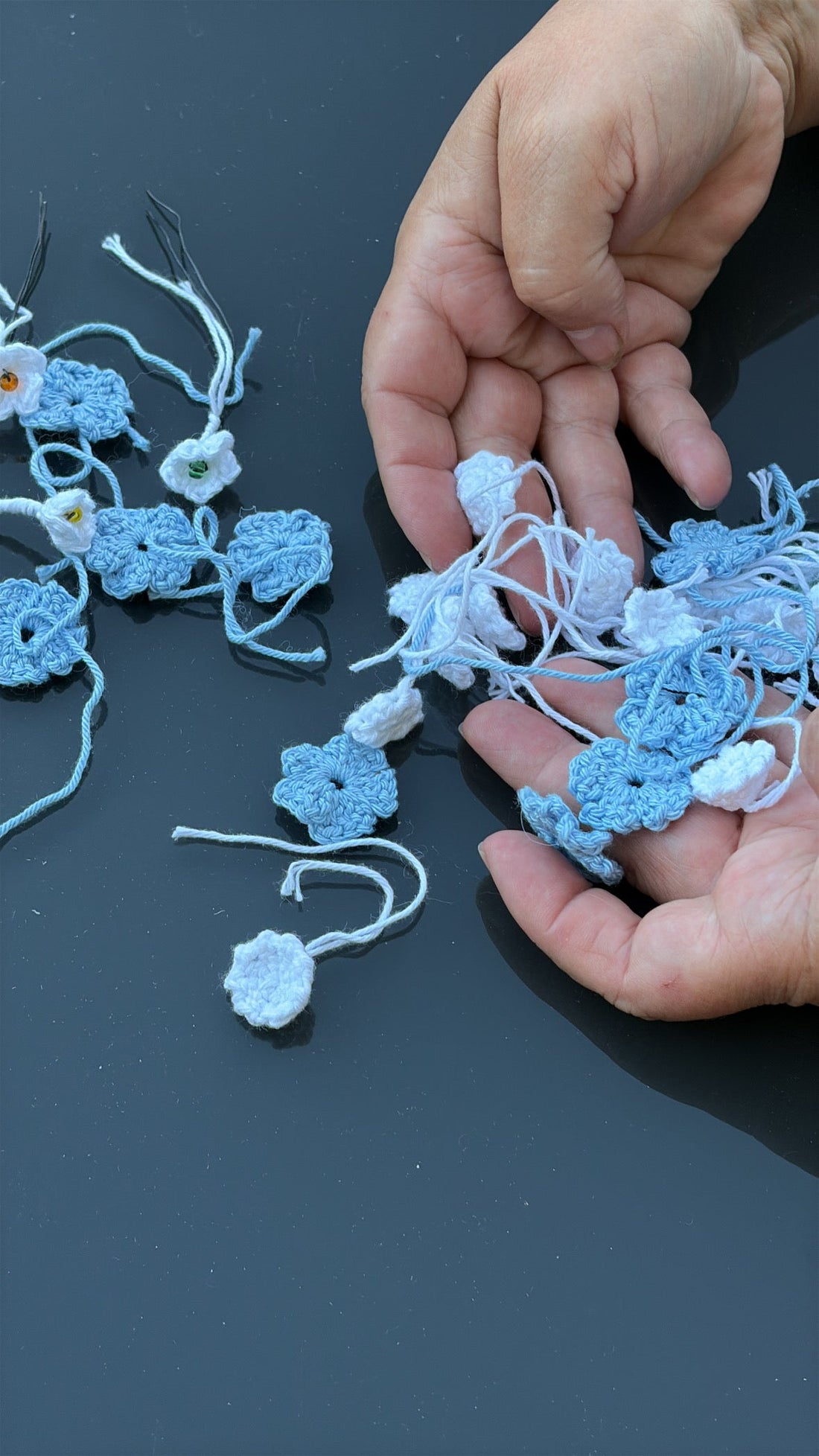
This is where the connection with craftsmanship becomes truly meaningful. Unlike a standardized industrial product, a handcrafted object carries an intention and an intrinsic history. The artisan's hand is visible, the time invested in its creation is perceptible. Each piece is unique. A ceramic pot with a slight imperfection is not a flaw; it is the mark of a singular gesture, a trace of a story. This singularity means that a handcrafted object is naturally predisposed to absorb personal memories and become a keepsake.
Furthermore, acquiring a handcrafted object is more than just buying a product. It's about supporting a craft, preserving an ancestral technique, and becoming a guardian of an intangible heritage that craftsmanship perpetuates through generations. The handcrafted object is therefore both a keeper of our personal history and a living witness to our collective cultural heritage.
Towards a new relationship with objects
The memory object invites us to reflect deeply on our relationship with the material world. It encourages us not to simply consume, but to choose objects that have a soul, whether they are antique or contemporary creations. This approach gives more meaning to our daily environment and allows us to build our own story, piece by piece.
So, the next time you catch sight of a cherished object, take a moment to observe it. You might discover that it is much more than a simple possession: it is the silent guardian of your story.
To learn more:
- Halbwachs, Maurice, Collective Memory (1950)
- Appadurai, Arjun, The Social Life of Things: Commodities in Cultural Perspective (1986)
- Miller, Daniel, Stuff (2010)
- Bourdieu, Pierre, Distinction: A Social Critique of the Judgement of Taste (1979)